
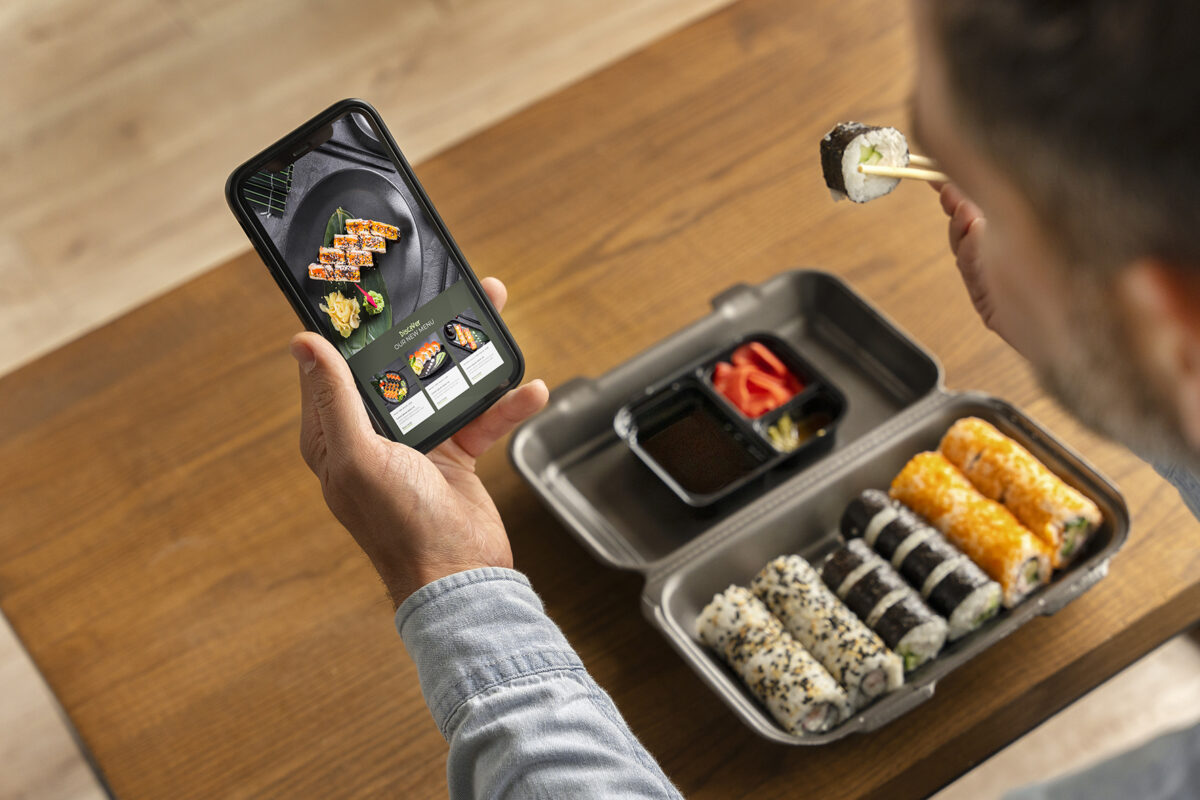
Nowadays, delivery is the fundamental infrastructure of the restaurant industry.
Your guests expect to order straight from their phones, track their favorite meals in real time, and have food show up reliably at their door, whether they’re winding down at home, working late at the office, or trying to feed a busy family on a Friday night.
While the demand for off-premises dining is stable and continuing to grow in many markets, the way you actually structure your delivery strategy is what truly matters. It can dramatically impact your restaurant’s profitability, operational stability, and long-term brand value.
So, the real question is: Should we rely entirely on third-party delivery marketplaces, build out our own direct online ordering channel, or strategically use a mix of both?
In this comprehensive guide, we’ll walk you through the real math, the operational implications, the branding considerations, and the critical technology factors that influence this decision. Our goal? To help you choose a delivery model that supports both your profit margins and your long-term growth.
Why This Decision Matters to Restaurant Operators
On the surface, offering delivery looks like pure incremental revenue. Orders come in. Sales numbers increase. Your restaurant’s visibility expands. It sounds like a win-win.
But beneath that surface, four critical business levers are quietly being affected:
- Profit margin: Are fees eating your bottom line?
- Guest relationship ownership: Who owns your customer data?
- Brand consistency: Does the food arrive looking and tasting the way you intended?
- Kitchen performance under pressure: Is your back-of-house overwhelmed by off-premises tickets?
Because restaurant margins are notoriously tight, even small percentage differences in fees or refunds can shift a sales channel from highly profitable to barely sustainable. And when delivery volume is layered right on top of your dine-in traffic without clear operational guardrails, it creates massive friction inside the kitchen. This friction ultimately impacts the entire guest experience, both for the people sitting at your tables and the ones eating on their couches. Ultimately, this is an operational architecture decision.
Key Areas of Focus: Marketplace Delivery vs. Direct Online Ordering (White-Label)
Cost & Profitability: Looking at the Real Math
Many restaurant owners and operators evaluate their delivery channels based purely on top-line revenue. But the smartest operators know they need to evaluate them based on profit per order.
The Marketplace Model: High Visibility, High Variable Cost
With third-party delivery platforms, the initial appeal is obvious: immediate exposure. Your restaurant is instantly placed in front of active buyers who are already browsing their phones for food.
But that visibility comes at a sharp cost, typically including:
- Commission fees often range from 15% to 30% or more per order.
- Delivery and service fees
- Sponsored placement fees or in-app advertising costs just to be seen.
- Promotional discounts mandated by the platform.
- Refunds or credits are issued automatically through the app, often without your input
When you layer aggressive promotions on top of high commission rates, your effective rate can climb significantly higher than the headline percentage. At low volume, these costs might feel manageable. But at scale? Those fees compound incredibly fast, eating away at your hard-earned revenue.
The Direct Online Ordering Model: Lower Fees, Higher Responsibility
Direct online ordering fundamentally shifts the cost structure. Instead of paying a heavy percentage commission on every single order, you typically pay:
- Predictable platform or software subscription fees
- Standard payment processing fees
- Delivery staffing or third-party courier dispatch costs, if applicable
- Marketing expenses to drive traffic to your own site.
While it’s true that you hold more responsibility in driving demand, the unit economics almost always improve over time, especially when it comes to repeat guests.
What You Should Actually Compare
Rather than just comparing gross sales by channel, take a closer look at the following metrics to find the truth in your numbers:
- Net profit per order
- Your effective commission rate after ads and promos is factored in.
- Refund frequency and who is actually absorbing the cost of those refunds.
- Average ticket size differences between your direct channel and third-party apps
Many operators are shocked to discover that the channel bringing in the highest revenue is often not the one delivering the strongest profit margin.
Control & Operations: Where Chaos Can Begin (or Be Prevented)
Delivery also adds complexity to your business. And managing that complexity is key to your team’s sanity.
Marketplace Limitations
With third-party delivery, your control over the guest experience can feel severely limited. Timing promises may be set by the platform’s algorithm, not your kitchen. Refunds may be issued automatically without a fair dispute process. Menu changes and 86 items might not sync perfectly in real time.
When something goes wrong, whether it’s cold food, frustratingly long delivery times, or missing modifiers, the guest still associates that negative experience directly with your restaurant, not the app. But operationally, you may not control all the variables.
Direct Ordering: Operational Leverage
Direct online ordering allows you to take the reins back. You have the power to control:
- Prep time estimates based on real-time kitchen capacity.
- Order throttling during your peak Friday night rushes
- Instant item availability
- Custom modifier logic to prevent confusing tickets.
- Strategic upselling to boost average ticket sizes.
This level of control becomes critical during busy service windows, where unmanaged and unpredictable order volume can overwhelm the kitchen and frustrate your staff.
Tablet Sprawl vs. Integrated Flow
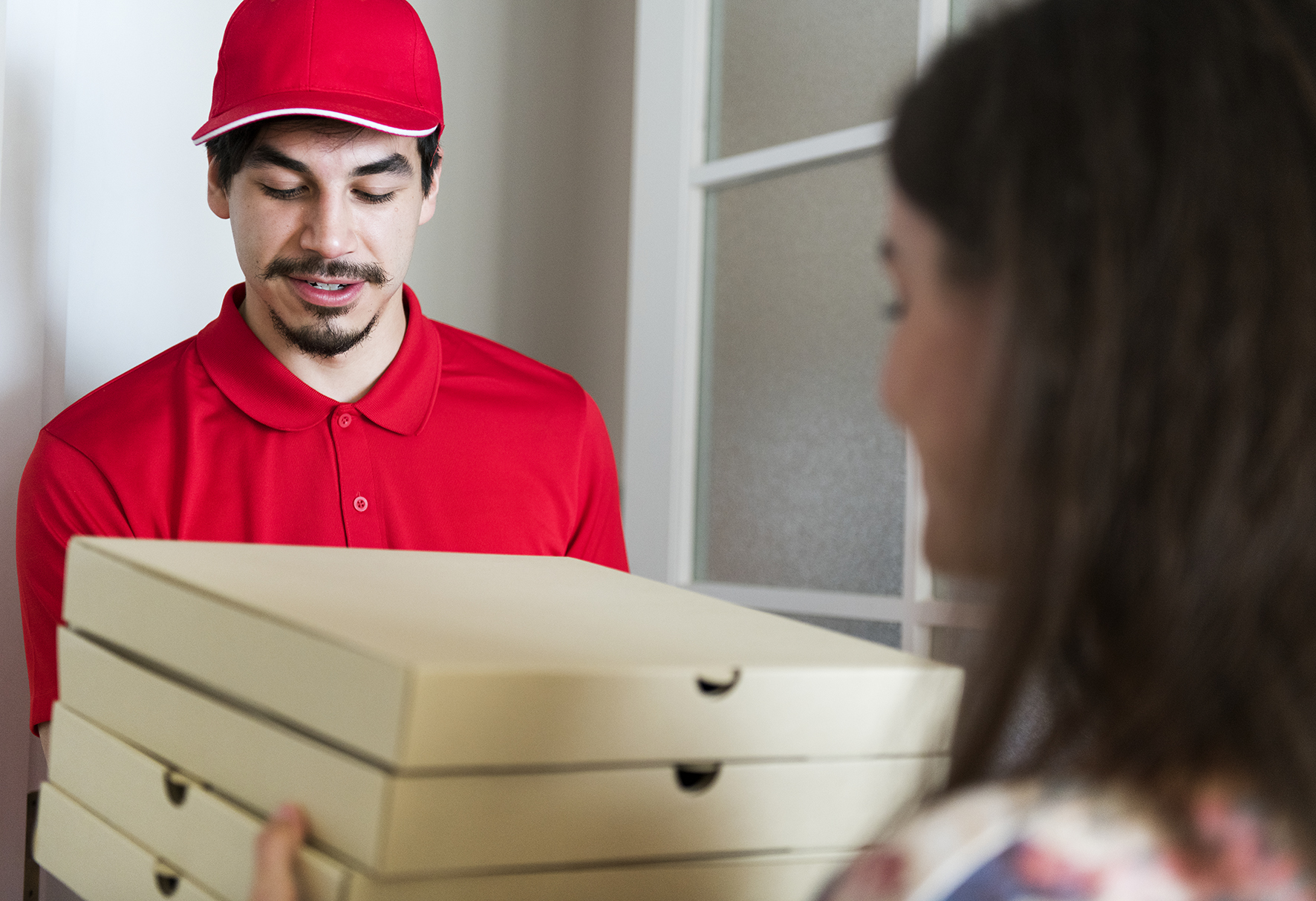
Let’s talk about one of the most common and frustrating operational pain points: tablet sprawl. We’ve all seen it. Multiple marketplace tablets sitting at the host stand or expo line, pinging loudly, each requiring manual confirmation, monitoring, and punch-in.
Without proper integration into your Point of Sale (POS) and kitchen display system (KDS), this creates massive friction:
- Missed or dropped tickets.
- Delayed preparation times.
- Increased stress and burnout for your front-of-house staff
- Costly order entry errors
The smoother the order flow into your kitchen, the more sustainable and profitable your delivery operation becomes.
Branding & Guest Experience: How You Show Up
When guests browse a marketplace app, your restaurant is reduced to becoming just one tile in a massive grid. You end up competing primarily on:
- Star ratings
- Estimated delivery times.
- Food photos
- Price points
While marketplaces certainly offer great discovery for new customers, they often dilute your brand differentiation. You risk becoming a commodity.
With direct ordering, however, guests engage directly with your brand. They interact with:
- Your own domain
- Your customized visuals
- Your unique messaging
- Your brand’s tone of voice
Direct channels allow you to beautifully promote catering packages, family bundles, seasonal specials, and profitable add-ons in ways that are strategically aligned with your brand identity.
Plus, when inevitable delivery delays occur, you have total control over the communication and the service recovery process.
A very common mistake in the industry is allowing third-party delivery marketplaces to become the primary ordering channel without having a concrete plan to gradually convert those guests into direct ordering customers for their future visits.
Data Ownership & Marketing: Building Equity vs. Renting Attention
One of the most overlooked differences between third-party delivery and direct ordering is the critical concept of data ownership.
With marketplace platforms, your access to guest data is typically restricted or completely masked. That lack of data restricts your ability to:
- Build meaningful loyalty programs.
- Segment your best customers.
- Run targeted email or SMS marketing campaigns.
- Measure the true lifetime value of a guest.
Direct online ordering changes the game. It allows you to capture emails, phone numbers, and detailed order history, effectively turning a one-time transaction into a long-term, profitable relationship.
A highly strategic approach that many successful restaurants use today is this:
First order via marketplace, second order via direct channel.
Over time, this brilliant tactic reduces your dependency on paid discovery and builds a powerful repeat engine that you control.
Growth & Multi-Location Scalability
For a single-location restaurant, delivery decisions directly affect daily operations. But for multi-location operators, the stakes are significantly higher.
Marketplace platforms offer rapid, easy expansion into new geographic areas. But remember, fees scale with revenue. Meaning the more you grow, the more commission you pay out. Direct ordering offers much stronger long-term unit economics, but it inherently requires marketing infrastructure and strict operational discipline.
As your restaurant brand scales, important questions emerge:
- Can menus and pricing be standardized seamlessly across all locations?
- Can performance be compared centrally from a single dashboard?
- Can catering and large-order strategies be optimized effectively by channel?
- Is your reporting clear enough to guide confident business decisions?
Growth without visibility inevitably leads to inefficiency. Visibility, on the other hand, requires tightly integrated systems.
MICROS Simphony-Specific Section: How Your POS Impacts Delivery + Direct Ordering Outcomes
If you’re operating on a robust platform, your POS environment can significantly reduce operational friction and provide absolute clarity across all your channels.
One Menu, Fewer Errors
Centralized menu management helps ensure that your menu items, custom modifiers, and pricing remain perfectly consistent across both third-party delivery apps and your direct online ordering platforms. That instantly reduces the kind of refund-heavy mistakes caused by mismatched menus or unavailable items.
Integrated Order Flow
When orders, regardless of their source, route seamlessly into the same kitchen display system (KDS) or printer workflow, you eliminate the manual juggling that leads to chaos during peak service.
The result? Fewer missed tickets. Faster fulfillment times. And significantly less stress on your hardworking staff.
Channel-Level Reporting
A properly configured POS environment empowers you to easily compare:
- In-house vs. direct vs. marketplace sales
- Item-level profitability and performance
- Modifier attach rates: What extras are people actually buying?
- Peak-hour kitchen throughput
- Labor impact and efficiency
This level of visibility turns guesswork and assumptions into measurable, actionable insights.
Loyalty & Guest Strategy
When direct ordering directly connects to your POS system, loyalty tracking and repeat purchase strategies become effortless to implement. That seamless integration heavily supports the long-term conversion from first-time marketplace buyers into loyal, returning direct-order guests.
Quick Decision Guide: When Each Option Makes Sense
Third Party Delivery Is Often Best When:
- You need immediate brand exposure in a brand-new neighborhood or area.
- You’re launching a brand-new restaurant concept or ghost kitchen.
- You’re trying to fill in sales during historically slower dayparts.
- You’re simply not ready or staffed to manage delivery logistics internally yet.
Direct Online Ordering Is Often Best When:
- Margin improvement and profitability are your top priorities.
- Building a base of repeat, loyal business matters to you.
- The brand experience is central to your concept’s identity.
- You operate multiple locations and need scalable economics.
- You want much deeper reporting visibility to guide your growth.
The Hybrid Model (Most Common)
Let’s be realistic: many of the most successful restaurants out there use marketplaces for discovery and direct ordering for retention.
But the secret to this is having an intentional strategy in place. You need:
- Separate pricing logic (e.g., slightly higher prices on third-party apps to offset the commission fees)
- Channel-specific promotions
- Clear, actionable conversion tactics (like bag stuffers offering a discount on their next direct order)
- Strong operational safeguards, like order throttling during your peak periods
Without a strategy, a hybrid model just becomes chaotic. With structure, it becomes incredibly powerful.
Smart Questions to Ask Before You Commit (or Rebuild Your Setup)
Before you make your next move, sit down with your team, and ask these critical questions:
- What is our true net profit per order by channel?
- Who owns our guest data, and how are we actively using it to drive sales?
- How will delivery orders physically flow into the kitchen during a Friday night rush?
- Can we standardize and update our menus everywhere without tedious manual rework?
- What channel-specific reporting do we need to review on a weekly basis?
- Do we have a clear, measurable conversion plan to move guests from the marketplace to our direct ordering site?
Clear answers to these questions will lead to confident, profitable decisions.
Conclusion: Reach vs. Control and Finding the Perfect Balance
At the end of the day, third-party delivery offers fantastic reach and immediate market exposure. Direct online ordering, conversely, offers margin protection, absolute brand control, and owned customer relationships.
The right model depends entirely on your current goals, your operational maturity, and your long-term vision. But one thing is certain: delivery success is about designing a smart, integrated system that actively protects your profit margins, stabilizes your kitchen operations, and builds a foundation for sustainable growth.
If you’re unsure whether your current delivery mix is working as well as it could be, we recommend starting with a 30-day channel audit. Take the time to carefully review your fees, refund rates, true profit per order, and customer repeat behavior. Then, adjust your strategy intentionally.
If you’d like expert support evaluating your current delivery strategy and ensuring your POS environment is perfectly structured to support it, we’re here to help. Let’s review your current setup together and identify the quick operational wins that will protect both your margins and your ultimate guest experience. Contact our team today to get started!
Sign Up for our Newsletter